Pool of Radiance: Ruins of Myth Drannor returns, rebuilt without source code
SNEG has re-released the 2001 D&D RPG on Steam and GOG after reverse-engineering its original engine from retail discs. The studio's interview details the UI, upscaling and scoping choices behind the restoration.
Digital Developer Desk, 2d ago, 3 min read

SNEG has released a restored version of Pool of Radiance: Ruins of Myth Drannor, Stormfront Studios' 2001 Dungeons & Dragons RPG, on Steam and GOG. It supports widescreen up to 4K, controllers and Steam Deck, and adds a reworked camera, a faster interface, bug fixes and an optional Legacy mode, according to 80 Level.
The team had no original source code, development tools or documentation. SNEG co-founder Artem Shchuiko said the only material was the retail editions released around the world and whatever was on those discs. After what he called a substantial reverse-engineering effort, the studio stayed on the original engine and made its changes inside the legacy build, partly for speed and partly to keep the look and feel.
For the new UI, SNEG tried several modern frameworks and settled on Dear ImGui because it allowed the fastest iteration on this game. Shchuiko said the hardest part was an internal API that exposes data the new UI needs, much of it buried deep in the original code. Sharper output comes from AMD FSR 1.0, used without modifying the original assets. The studio also uses its own in-house libraries to support a wide range of hardware without raising resource use.
The main UI addition is an action bar, which required new icons for every spell and action. SNEG drew them at 2x the original resolution to keep the dated look. The main font was reconstructed as a TTF with missing glyphs added. Shchuiko said the action bar works with both mouse and controller and helped fix pacing issues. The whole project was tested on Steam Deck first, though he said the experience is not flawless.
Shchuiko corrected one point in the interviewer's question: the re-release does not include upscaled background or terrain assets, which the studio is exploring for later. He also described a rule of no changes to core game systems unless something is clearly a bug. That left out letting players choose feats, adding the missing mage class, and reducing the pre-made characters' extra points. Legacy mode preserves the original mouse input and interface.
Sources
Get the daily brief
The five stories that matter, every weekday morning. Free.
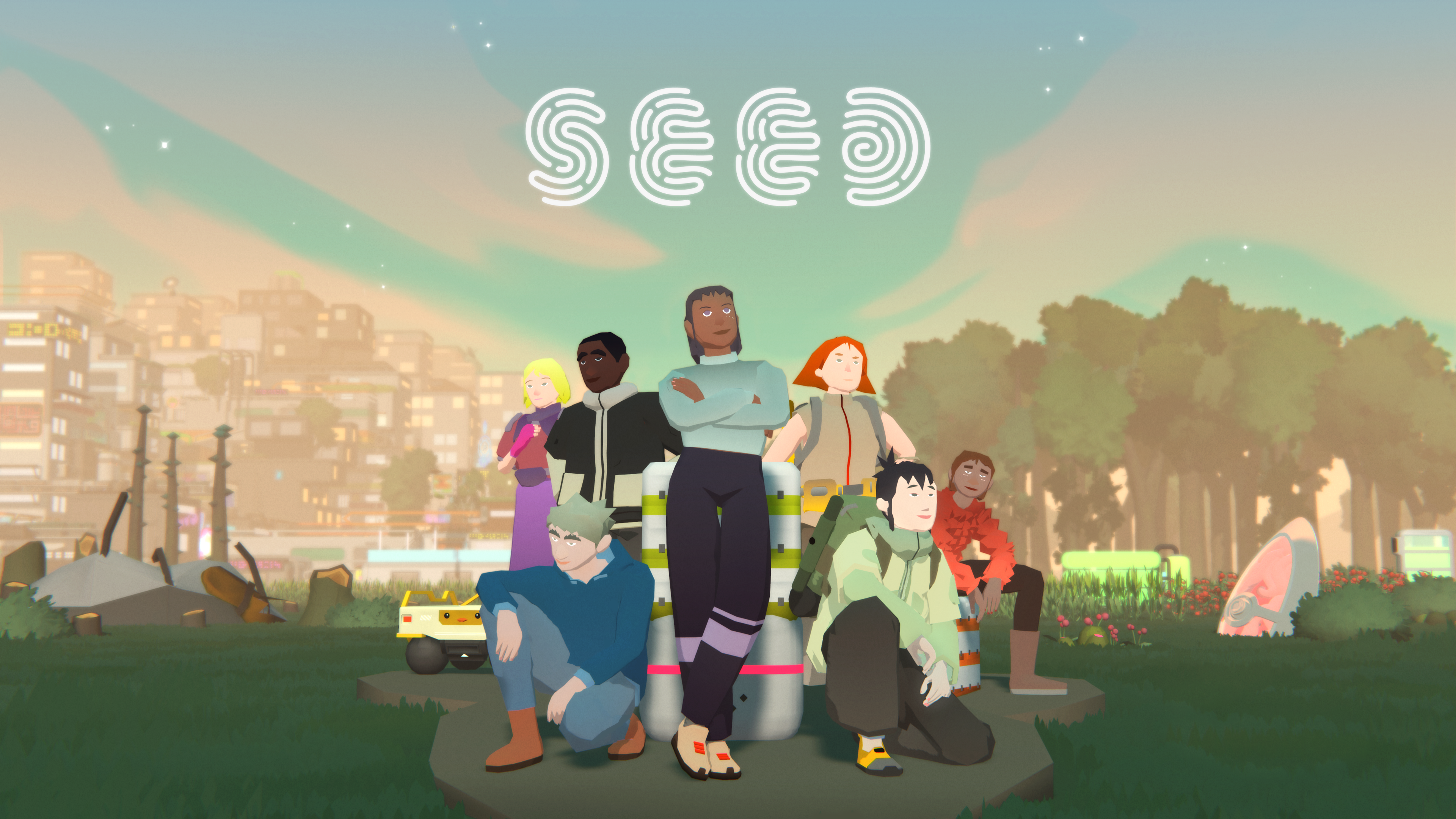
Klang Games details how SEED renders player-built worlds in Unity 6.3 with URP
Unity's blog describes how Klang Games renders SEED, a persistent MMO sandbox, across PC and mobile using URP, BatchRendererGroup and Mesh LOD. The team also explains how server snapshots of real player societies exposed a CPU bottleneck tied to LOD Groups and GPU Resident Drawer.
unity.com2d ago5 min read
Quixel Megascans library goes free on Fab, with AI training rights added
Epic Games is making the full Quixel Megascans library free on Fab, with listings updating between November 5 and 12. Terms for all Quixel assets now also allow training AI models on Megascans and Megaplants.
gamefromscratch.com3d ago2 min read
NVIDIA brings DLSS 5 to Hogwarts Legacy, War Thunder and Where Winds Meet in November
NVIDIA is rolling out DLSS 5 to more games this month, starting with Hogwarts Legacy on November 5. Official support is limited to GeForce RTX 50 Series GPUs and RTX Spark systems.
80.lv3d ago2 min read
