Tomb Raider: Legacy of Atlantis director on optional guidance in level design
Crystal Dynamics Game Director Raul Siqueira told 80 Level how the studio is balancing the original game's isolation with optional hints in Tomb Raider: Legacy of Atlantis. The design lets players tune combat, puzzle and exploration help separately.
Digital Developer Desk, 5h ago, 3 min read
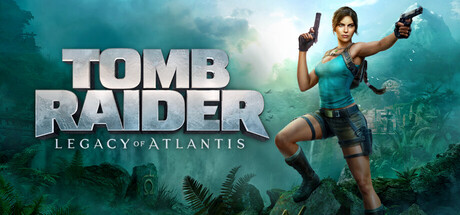
Tomb Raider: Legacy of Atlantis, a reimagining of Lara Croft's first adventure, will let players set combat, puzzle hints and exploration guidance separately. In an interview with 80 Level, Crystal Dynamics Game Director Raul Siqueira said the aim is to remove barriers without removing the thrill of discovery. The game is developed by Crystal Dynamics and Flying Wild Hog and is announced for February 12, 2027 on PC, PlayStation 5, Xbox Series X|S and Nintendo Switch 2.
Siqueira describes the series as moving from very little guidance in early entries, to more guidance in later ones, to player-chosen guidance now. Two optional tools are named. Lara can give voice clues for puzzles, and she carries a scanner that helps guide players. Both can be turned off for those who want the old-school approach.
On the design side, Siqueira says the team leans on visual language rather than traditional markers. He cites player feedback pushing back on games that signpost the next step too overtly or trigger voice cues too quickly. The goal is for players to read the environment and work out where to go from the level design itself.
Communication of those options is also treated as a design problem. Siqueira says the team focused on UI and UX so players understand what each option does before they start. The first time a player picks up the scanner, the game shows clear screenshots explaining its options.
On cameras, Siqueira says framing a puzzle element or the target of a tricky jump can make or break a challenge. He says layouts in the past often went through heavy iteration to get around camera limitations. Modern technology, he says, lets designers author different camera behaviors quickly and build more interesting challenges.
He also says preserving the original game's sense of isolation was a priority. He adds that none of the original six developers work on the franchise now, though many staff have worked on it for over 20 years. The source is an interview, so these are the studio's own statements about the design, not a hands-on assessment.
Sources
Get the daily brief
The five stories that matter, every weekday morning. Free.
AMD FSR SDK 2.4 brings FSR Upscaling 4.1 to RX 6000 GPUs, Ryzen APUs and Vulkan
AMD released FSR "Redstone" SDK 2.4, extending ML-based FSR Upscaling 4.1 to Radeon RX 6000 Series GPUs and select Ryzen processors with integrated graphics. It also adds Vulkan support at feature parity with DirectX 12 for upscaling and frame generation.
gpuopen.com4h ago3 min read
Unreal Engine 5.8: new features reportedly only for Movie Render Graph, not MRQ
A community post says Epic has stopped adding features to Movie Render Queue as of Unreal Engine 5.8, and that new work will go to Movie Render Graph only. The claim is unverified here, but teams that render with MRQ should check their pipelines.
reddit.com5h ago2 min read
Flax Engine 1.13 adds DDGI specular reflections, occlusion culling and .NET 10
Flax Engine 1.13 has been released with .NET 10 and C# 14, DDGI specular reflections, occlusion culling and split-screen rendering. Reversed Z depth is on by default, so existing projects should be checked after upgrading.
gamefromscratch.com5h ago3 min read