German industry body Game warns EU KIDS Act could override USK and PEGI ratings
Game, the German Games Industry Association, says the draft EU KIDS Act could override national age-rating systems for video games. It wants games treated differently from social networks and the USK and PEGI systems kept as the standard.
Digital Developer Desk, 22h ago, 3 min read
Game, the German Games Industry Association, has warned that the EU KIDS Act could override well-established national age-rating systems. The act was unveiled in draft form in September and is likely to have sweeping repercussions for game developers.
Germany uses the USK age-rating system for video games, while PEGI is used across most of Europe. The act includes a provision on codes of conduct for age rating that goes beyond the existing framework and is more binding. Game suggests that new European-wide codes of conduct could result in the same game being rated 12+ in one store and 16+ in another, undermining the role of USK.
The KIDS Act is primarily aimed at social networks. It proposes a social-media ban for children under 13 and restrictions on social media for those under 15. It also carries major implications for online games. USK was overhauled in 2023 to account for features such as loot boxes and online communication. PEGI was amended along similar lines earlier this year, and games with loot boxes are now automatically rated 16+.
Game is asking for the act to safeguard and build on USK and PEGI rather than create entirely new procedures. It also wants games treated differently from social networks, with protection obligations and age checks based on actual risks and taking self-regulation criteria into account. It further suggests the act should strengthen existing parental controls in games and platforms. Game says blanket access restrictions must not disproportionately limit parental responsibility or children's digital participation.
Felix Falk, Game's managing director, said in a press statement that the Commission is under enormous pressure to tighten youth protection rules on social media, and that protection that works well for games risks becoming collateral damage. He added: "Games are not social networks, and they need their own rules."
Sources
Get the daily brief
The five stories that matter, every weekday morning. Free.
Take-Two Q2: net bookings fall 18% to $1.60bn, full-year outlook held ahead of GTA 6
Take-Two Interactive reported second-quarter net bookings of $1.60 billion, down 18% and slightly below its guidance. It kept its full-year outlook at $8 billion to $8.2 billion, with Grand Theft Auto 6 due November 19.
gamesindustry.biz14h ago2 min read
SAG-AFTRA releases Pre-Funding Pitch Interactive Media Agreement for game pitches
SAG-AFTRA has published a framework for using union actors in game pitches, vertical slices and demos made before funding. Until now there were no specific union guidelines for that work.
gamedeveloper.com4d ago2 min read
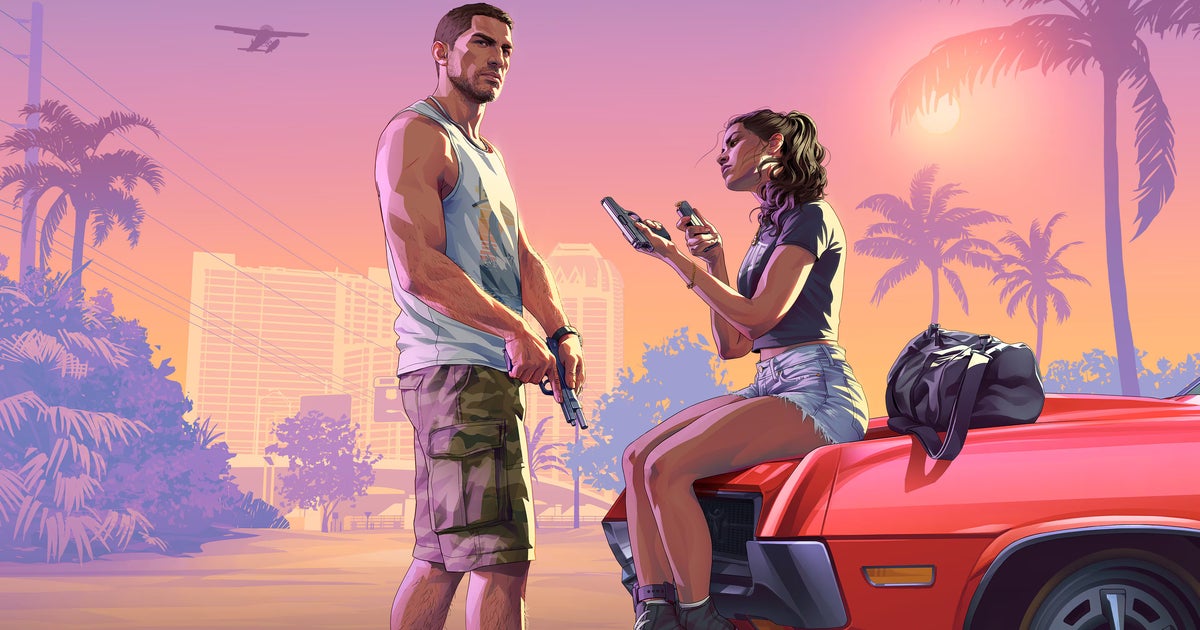
Rockstar posts 39 new GTA 6 screenshots ahead of November 19 launch
Rockstar has added 39 new screenshots of Grand Theft Auto 6 to the Launch Gallery on its website, two weeks before release. The game launches November 19, 2026 on PlayStation 5 and Xbox Series X|S.
80.lv4d ago2 min read
