S&P Global: console price cuts unlikely before 2028 as DRAM capacity lags AI demand
S&P Global Market Intelligence Kagan expects console makers to hold off on price cuts until at least 2028, when planned DRAM capacity expansions are due to arrive. Analyst Neil Barbour says even then, AI data centre demand could absorb the extra supply.
Digital Developer Desk, 1h ago, 2 min read
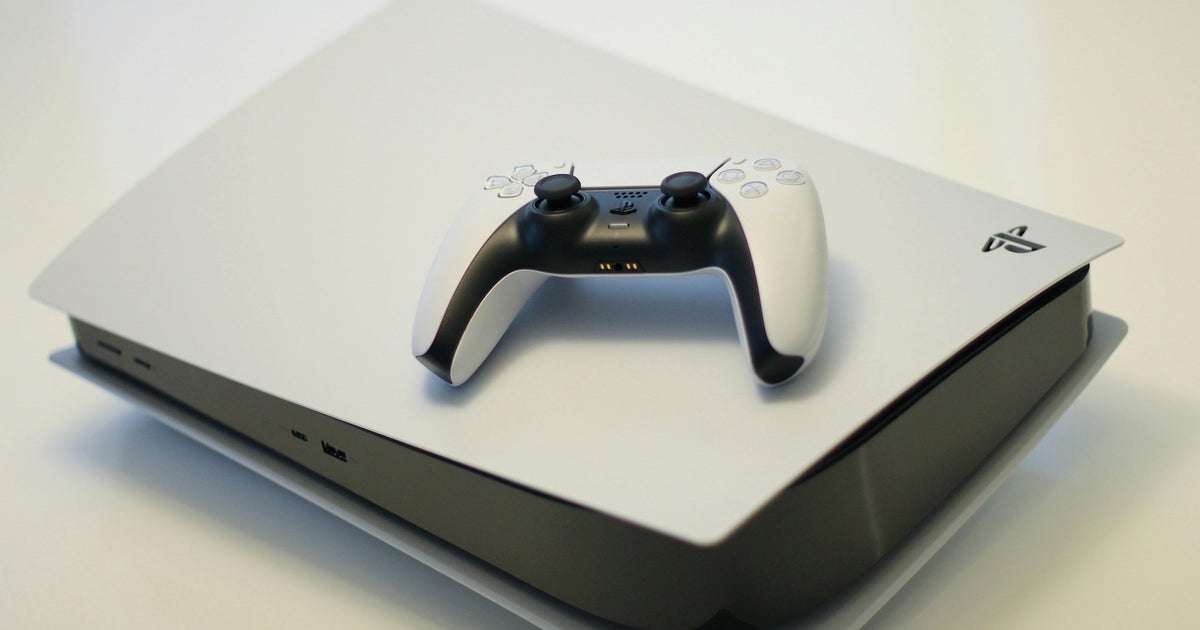
Console makers are unlikely to lower hardware prices until at least 2028, according to a new analysis from S&P Global Market Intelligence Kagan. The reason is DRAM, a key component in gaming hardware whose price has risen sharply because of demand from the AI industry. The analysis was reported by GamesIndustry.biz.
S&P projects DRAM capacity additions will reach 184,000 300mm-equivalent wafers by the end of this year and 434,000 by the end of 2027. They then nearly double to 819,000 in 2028. Analyst Neil Barbour calls 2028 "the earliest point at which launching new consoles at accessible price points looks prudent."
Barbour says any improvement depends on demand holding steady and on new fabrication plants opening on schedule. He told GamesIndustry.biz that memory fabs are not expanding with the consumer market in mind. They are posting record revenue and margins from the data centre build-out, so the new capacity is mainly meant to feed that demand. If data centre demand grows, it could quickly consume the extra supply. If the build-out plateaus, whether for regulatory reasons or because demand is weaker than expected, more capacity could go to traditional DRAM.
For the near term, S&P expects prices to remain at least at current levels throughout 2027. Barbour would not call further increases guaranteed, but said he would not expect price cuts in the near term. Looking further out, S&P projects global DRAM capacity will grow 82% to 3.64 million wafers per month by the end of 2030. Samsung, SK hynix and Micron account for roughly 80% of that expansion.
Barbour also linked supply to next-generation hardware. He said that if Microsoft is short of supply for the current Series consoles, as it has said several times over the past year, it will almost have to wait for upstream component supply to improve before pushing a new console. Xbox CEO Asha Sharma has previously said the company is prioritising "efficiency and affordability alongside performance" for its next-generation console, citing rising hardware costs and AI-related innovation.
Sources
Get the daily brief
The five stories that matter, every weekday morning. Free.
Sony: GTA 6 is the biggest game launch in PlayStation history
Sony says GTA 6 was the largest game launch on PlayStation, with a record number of concurrent players after its November 19th release. The company also reported more than 39 million unique players so far.
gamesindustry.biz18h ago2 min read

Ex-Dragon Age lead Mark Darrah says EA left BioWare only "terrible" options
Former Dragon Age lead Mark Darrah says Electronic Arts gave BioWare a set of bad choices before the studio closed, and that closing was the "least terrible" one. The closure has prompted a petition and talk of buying back the Mass Effect and Dragon Age rights.
80.lv1d ago2 min read

Take-Two reports GTA VI day-one retail sales above $3.79 billion
Take-Two Interactive says Grand Theft Auto VI passed $3.79 billion in day-one retail sales, well above the first-day figure estimated for GTA V in 2013. The publisher also reported 32.5 million copies sold during the pre-order window.
gamedeveloper.com5d ago2 min read