European Commission presents draft Digital Fairness Act with rules for games
The European Commission presented a draft Digital Fairness Act, a proposed EU regulation that would set rules for loot boxes, virtual currency pricing, pay-to-win mechanics and subscriptions. It now goes to the European Parliament and the Council for negotiation.
Digital Developer Desk, 2h ago, 3 min read

The European Commission presented its draft Digital Fairness Act on Wednesday. It is a proposed EU regulation, so if it passes through Parliament and the Council, it would apply directly in every member state. The stated aim is to better protect consumers online, especially children and other vulnerable categories, and several rules target video games.
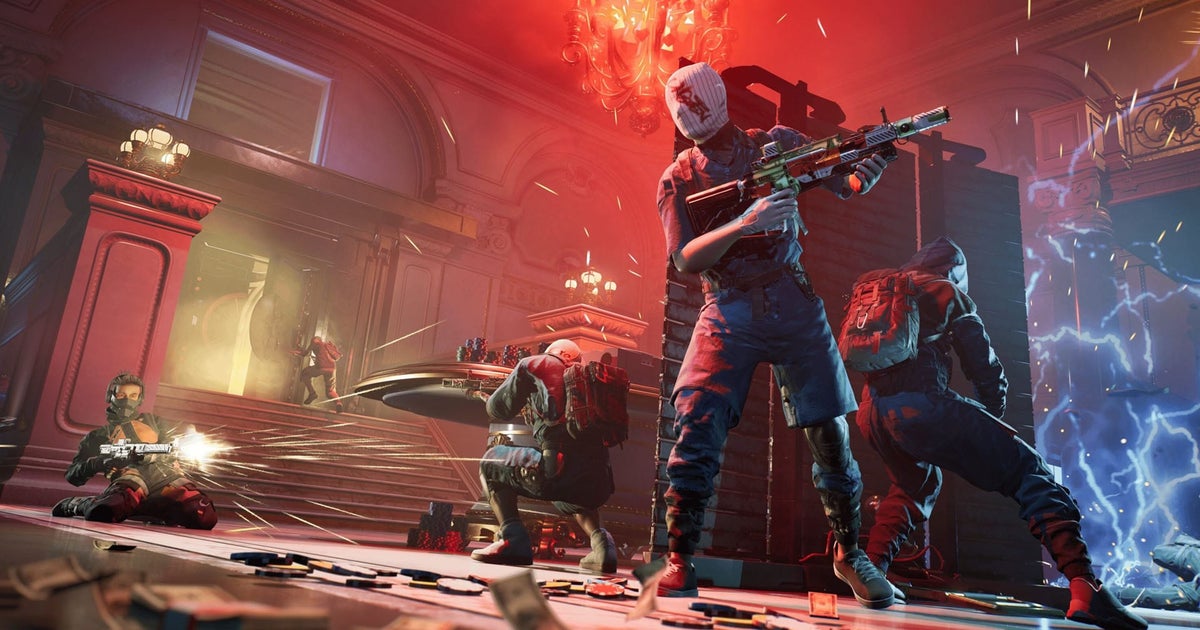
For games, prices shown in virtual currencies would have to be transparent. Loot boxes would have to show the chance of winning, could not be offered to minors, and any consumer could switch them off. Pay-to-win and pay-to-progress mechanics would be banned for minors. Adults could turn off features built to encourage compulsive use, a list the Commission could extend later.
Dr Andreas Lober, a partner at the law firm ADVANT Beiten, writes for GamesIndustry.biz that these features include autoplay, push notifications the user didn't trigger, and login rewards or streaks. He also says that for products aimed at minors, paid virtual currencies would be off by default until a parent or guardian agrees.
The proposal also bans dark patterns, with the banned practices listed in an annex that the Commission could update. It limits personalized ads and pricing that could harm minors or vulnerable consumers. For subscriptions, a free trial could become a paid plan only with the consumer's active agreement and a reminder first. Renewals would come with a reminder, and companies would have to offer an online way to cancel and a way to reach a person in customer service.
Minors are defined as anyone under 18. Whether a product is aimed at them is judged by objective signs, and age rating systems such as PEGI can count. Lober writes that games rated 18+ would face fewer limits than all-ages titles, which could push developers toward higher ratings. He also says the Commission seems to feel the industry hasn't done enough about consumer groups' concerns, while the industry argues the Commission doesn't fully understand how games work or what PEGI and USK already do.
Sources
Get the daily brief
The five stories that matter, every weekday morning. Free.
Paradox Interactive CEO Fredrik Wester steps down; Mattias Lilja takes over Jan 4, 2027
Paradox Interactive CEO Fredrik Wester is stepping down, and deputy CEO Mattias Lilja will take the role on January 4, 2027. Wester stays on the board and remains the largest shareholder.
gamesindustry.biz2h ago2 min read
Report: PlayStation's Fairgames cancelled, Haven Studios stays on in support role
Bloomberg reports that Fairgames, the multiplayer shooter from PlayStation's Haven Studios, has been cancelled. A Sony spokesperson said Haven will see no job cuts.
gamedeveloper.com15h ago2 min read

PlayStation cancels live-service shooter Fairgames at Haven Studios
PlayStation has cancelled Fairgames, the live-service shooter in development at Montreal-based Haven Studios, after a playtest fell short of goals. No jobs have been cut because of the cancellation, according to GamesIndustry.biz.
gamesindustry.biz15h ago2 min read